
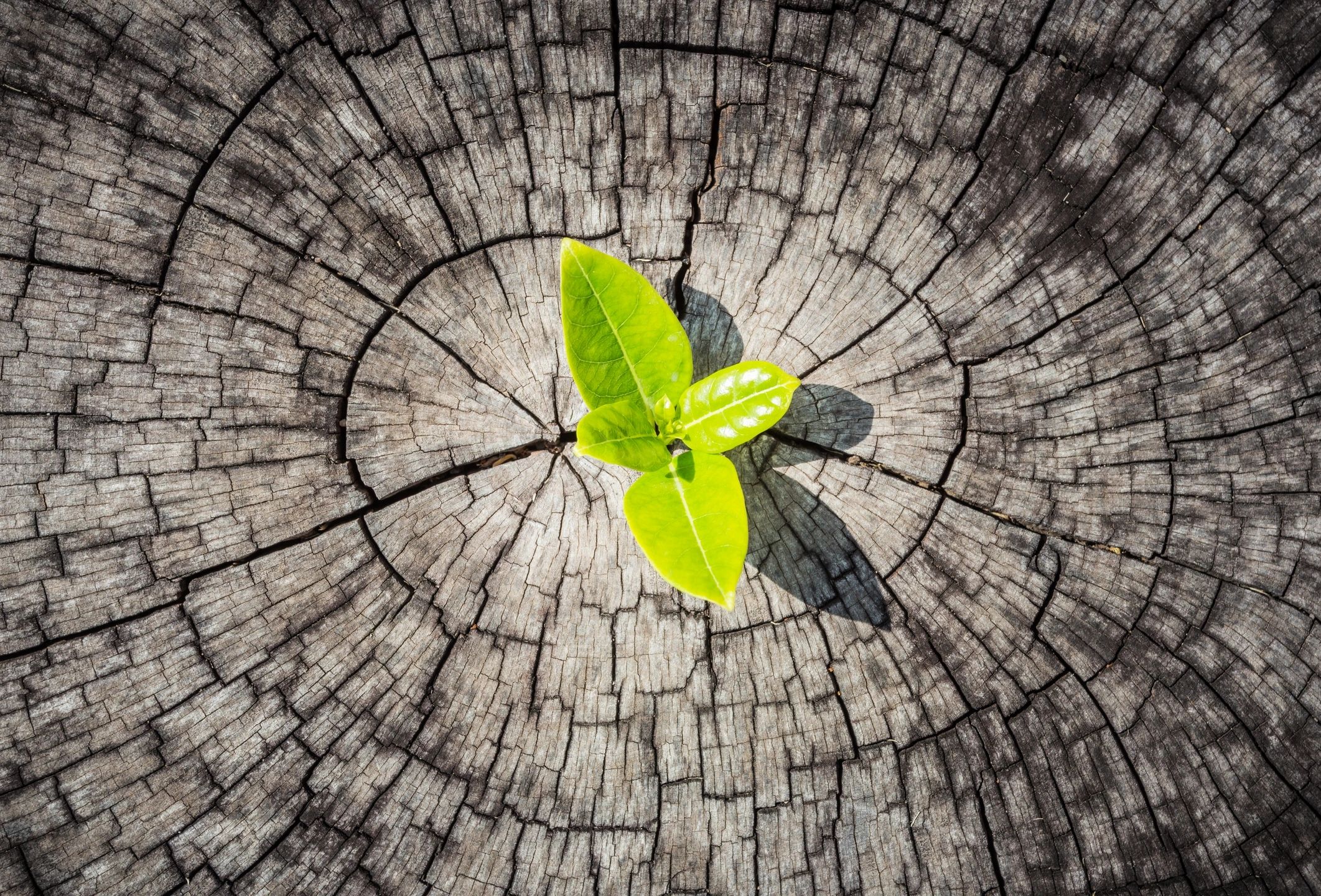
In a world that constantly demands more from women, better performance at work, greater presence at home, increased community involvement, and picture-perfect social media presence, the ability to bounce back from adversity isn’t just helpful; it’s essential. For women in their third thirty years, building resilience becomes particularly crucial as they navigate complex life transitions, increased responsibilities, and unexpected challenges.
Understanding true resilience
Resilience expert Dr. Lucy Hone, who faced unimaginable personal tragedy with the loss of her daughter, provides profound insights into what makes people resilient. Her research, combined with her personal experience, offers a powerful framework for understanding and developing this vital skill.
The reality principle
The first key to resilience is embracing what Dr. Hone calls the fundamental truth: difficult things happen to everyone. In an era of carefully curated social media feeds and societal pressure for perfection, accepting that suffering is part of every human existence provides an important perspective shift. This understanding helps women stop viewing challenges as personal discrimination and start seeing them as universal human experiences.
For women in midlife, this perspective is particularly valuable. Whether facing career transitions, health challenges, caregiving responsibilities, or relationship changes, accepting that difficulty is part of life’s journey, rather than a sign of personal failure, creates the foundation for resilient responses.
The power of selective attention
The second crucial element of resilience lies in attention management. Our brains, evolutionarily wired to spot threats, can easily become overwhelmed in today’s constant stream of negative information. The key isn’t to ignore challenges but to develop the skill of tuning into the positive aspects of life alongside acknowledging difficulties.
Research from the University of Pennsylvania, led by Dr. Martin Seligman, demonstrates that simple practices like daily gratitude listings can significantly impact mental well-being. This isn’t about toxic positivity or denying problems; instead, it’s about developing the ability to recognize and appreciate positive elements even during challenging times.
The helper’s question
Perhaps the most practical tool in the resilience toolkit is what Dr. Hone calls the helper’s question: “Is what I’m doing helping or harming me?” This simple but powerful query puts women back in control of their responses to difficulty. Whether dealing with work stress, family challenges, or personal setbacks, this question helps guide decisions and actions toward constructive outcomes.
Building resilience in practice
Developing resilience isn’t about achieving a state of unwavering strength; it’s about building a set of skills that help us navigate life’s challenges more effectively. For women, this might mean:
Understanding stress response
Recognizing that our bodies treat every stressor, from email overload to family conflict, as a potential threat helps us develop more conscious responses to challenges.
Creating support systems
Building networks of other women who understand similar challenges provides both emotional support and practical wisdom for navigating difficult times.
Practicing intentional attention
Developing the skill of directing attention consciously, rather than letting it be captured by every negative possibility, becomes crucial for maintaining perspective.
The role of self-compassion
In building resilience, self-compassion plays a vital role. Women often hold themselves to impossibly high standards, treating personal setbacks with harsh judgment they would never direct at others. Learning to approach difficulties with the same kindness we’d offer a friend becomes essential for sustainable resilience.
Moving forward with strength
Building resilience doesn’t eliminate pain or prevent challenges. Instead, it provides tools for navigating life’s inevitable difficulties with greater grace and effectiveness. For women in their third thirty years, developing these skills can transform how they experience and respond to life’s challenges.
As Dr. Hone reminds us, these strategies aren’t just theoretical concepts, they’re practical tools that have helped people through their darkest moments. While implementing them isn’t always easy, the effort to build resilience pays dividends in increased ability to handle life’s challenges while maintaining well-being and purpose.
Remember, resilience isn’t about never falling; it’s about learning to rise again, equipped with understanding, skills, and self-compassion. For women navigating the complex demands of midlife, these tools provide a pathway to not just surviving challenges but emerging stronger from them.
Resources
Change your future. Start with a complimentary discovery session.
- Transform your future
- Find your purpose
- Take stock in your potential
- Choose your path